
8.2K
Downloads
65
Episodes
The journey of caring for a loved one with dementia can be deeply challenging. Juliah Ratladi, an MSc Dementia Care Specialist and experienced dementia care professional, is uniquely positioned to share her observations, experiences, knowledge, and insights on various aspects of dementia care. Together with other dementia experts and caregivers, she raises awareness, offers encouragement, and provides hope. Through meaningful discussions, they shed light on key dementia-related issues, helping to educate and support those affected by the condition. Dementia care: How deep is your love?
Episodes

Aug 27, 2025
Aug 27, 2025
33 min
Episode Summary
I am naturally loud, anyone who listens to my podcast or knows me personally can attest to that. But in this episode, my loudness mellowed. My guest brought peace, warmth, and love that were indescribable. She may not know it, but just by chatting with her, she brought me to a place of calm and stillness.
In this episode, I sit down with Sharon Lukert, a retired Buddhist chaplain and author of Until My Memory Fails Me. Sharon shares her deeply personal journey of living with Mild Cognitive Impairment (MCI) while drawing from over 20 years of experience supporting others through illness, grief, and end-of-life care. Together, we explore what it feels like to notice the first signs of memory loss, the emotional weight of seeking a diagnosis, and the everyday practices that make life meaningful.
This heartfelt conversation also looks at the role of spirituality, mindfulness, and community in coping with cognitive decline, not only for those directly affected but also for their families and caregivers. Sharon’s story is one of honesty, resilience, and compassion, offering hope and wisdom for anyone navigating similar challenges.
Key Takeaways
Early signs of MCI can be subtle but emotionally impactful, prompting reflection and the need for understanding.
Practical routines and coping strategies help maintain independence and ease daily life with cognitive changes.
Spirituality and faith can provide grounding, hope, and strength in navigating memory loss.
Connection and community are vital for both individuals and families, offering support, resilience, and shared meaning.
Key Topics Discussed
Sharon’s personal experience of living with Mild Cognitive Impairment.
The emotional journey of seeking and receiving a diagnosis.
The role of spirituality and interfaith chaplaincy in dementia care.
Inspiration and message behind Sharon’s book Until My Memory Fails Me.
Resources Mentioned
Sharon Lukert`s book " Until My Memory Fails Me" #USA
Connect with Sharon from the following platforms;
Website: https://www.sharonlukert.com/
LinkedIn: https://www.linkedin.com/in/sharon-lukert-36266912/
If you are passionate about MCI or dementia-related issues, please share this episode with someone who might benefit from it. Until then, I’ll see you in the next episode.

Aug 13, 2025
Aug 13, 2025
33 min
Repost: In this poignant episode of "Dementia Caregiver's Corner," host Juliah Ratladi is joined by Lynnette Lee, author of "Slipping Away: One man's battle with Alzheimer's," for a heartfelt conversation about the journey of caregiving and resilience in the face of Alzheimer's disease.
Join Juliah and Lynnette as they delve into Lynnette's personal story, beginning with her father's diagnosis and the challenges she encountered in accessing support and resources. Through candid anecdotes and heartfelt reflections, Lynnette shares the highs and lows of her caregiving journey, offering listeners a glimpse into the complexities of caring for a loved one with dementia.
Despite the challenges, Lynnette also highlights the brighter moments she experienced while spending time with her father, emphasizing the power of love, connection, and cherished memories amidst the difficult realities of Alzheimer's.
Tune in to "Dementia Caregiver's Corner" for an intimate and inspiring conversation that illuminates the journey of caregiving, celebrating the resilience and strength of caregivers like Lynnette Lee. Learn from her experiences, find solace in shared stories, and discover the transformative power of love in the face of adversity.
Find Lynnette here:
X
https://x.com/LynnetteLee_Alz?t=nUKEta5ccmwWnmGlIqPz_g&s=09
Find her book here:
https://www.amazon.com/Slipping-Away-mans-battle-Alzheimers-ebook/dp/B097H7Y15W
Follow Juliah Ratladi/Dementia Caregivers Corner Podcast on social media:
Instagram: https://instagram.com/dementiacaregiverscorner?utm_source=qr&igshid=MzNlNGNkZWQ4Mg%3D%3D
LinkedIn:
https://www.linkedin.com/in/juliah-ratladi-dementia-care-awareness/
Twitter:
https://twitter.com/DementiaCorner
Podcast Facebook Page:
https://www.facebook.com/profile.php?id=100087493920768
Do you want to be a guest? email us on: dementiacaregiverscorner@gmail.com
Dementia caregivers` Corner Podcast is available on the following platforms
Apple Podcast: https://podcasts.apple.com/us/podcast/dementiacaregiverscorners-podcast/id1710778347
Spotify: https://open.spotify.com/show/6JeVOQteK08zsc7PTkRNTT
Podbean: https://feed.podbean.com/dementiacaregiverscorner/feed.xml
Amazon Music/Audible: https://music.amazon.com/podcasts/c6e17ee2-f194-4eae-b906-a854078dd530
TuneIn/Alexa: https://feed.podbean.com/dementiacaregiverscorner/feed.xml
iHeart Radio: https://iheart.com/podcast/125013574
Player FM: https://player.fm/series/3517995
Podchaser: https://www.podchaser.com/podcasts/dementiacaregiverscorners-podc-5494017

Jul 30, 2025
Jul 30, 2025
44 min
Episode Summary
In this insightful conversation, Juliah is joined by David Knight, Advanced Clinical Practitioner and Independent Prescribing Optometrist, UK, to explore how vision and perception are affected by dementia. Using real-life examples and clinical experience, David breaks down how the brain and eyes work together—and how dementia disrupts this connection. From the differences across dementia types to practical home adjustments, this episode helps caregivers and professionals better understand visual challenges in dementia and how to address them.
4 Key Topics Discussed:
How dementia affects visual processing – explained through the case of Jennifer and the wristwatch vs. clock scenario.
Differences in visual symptoms across dementia types – including Alzheimer’s, Lewy Body, and frontotemporal dementia.
The connection between eyesight and cognitive decline – does poor vision contribute to dementia, or vice versa?
Vision assessments and accessibility – including tips for clinicians and caregivers on evaluating visual function in individuals with cognitive impairment.
4 Key Takeaways:
Vision and the brain are tightly linked—dementia can distort visual interpretation even when the eyes are healthy.
Types of dementia affect vision differently—for example, Lewy Body dementia often causes visual hallucinations, while vascular dementia may affect contrast or depth perception.
Misinterpreting visual signs can be risky—caregivers might mistake visual dysfunction for stubbornness, which can lead to frustration or accidents.
Small home adaptations can make a big difference—like lighting, contrast, and simplifying visual clutter to support safety and independence.
#dementia #vision loss #Lewybodydementia #sensoryperception #dementiacare #optometristinterview #cognitivedecline
Resources Mentioned
A New Approach to Dementia: Examining Sensory and perceptual Impairment
Share this episode with a friend, colleague, or family caregiver who may benefit from learning more about sensory changes, visual dysfunction, smart technology, and environmental design in dementia care.
If you found this episode helpful, please follow, rate, and review the Dementia Caregivers’ Corner Podcast on your favourite listening platform.

Jul 16, 2025
Jul 16, 2025
38 min
Episode Summary:
In this episode of the Dementia Caregivers’ Corner Podcast, we’re joined by Allyson Schrier, a passionate dementia care advocate, educator, and co-founder of Zinnia TV, a tech platform designed to support individuals living with dementia and reduce stress for caregivers.
Allyson shares her personal journey as a caregiver for her husband and how that experience inspired her to launch a dementia-friendly technology company at the age of 60.
We explore:
- How Zinnia TV uses video content to enhance engagement and well-being
- Strategies for making technology accessible and user-friendly for older adults
- Insights into compassionate caregiving practices
- The challenges and rewards of launching an AgeTech company
- Inclusivity and cultural relevance in dementia care for immigrant families
- The future of AgeTech and the role of innovation in dementia support
Whether you’re a caregiver, healthcare provider, or simply curious about how technology can support dementia care, this episode offers valuable insights into the evolving landscape of compassionate, tech-enabled caregiving.
4 Key Topics Discussed
- The origin and purpose of Zinnia TV
A platform created to engage individuals with dementia through tailored video content.
- Integrating technology in elder care
How to make digital tools accessible for older adults and their caregivers.
- Compassionate caregiving practices
Practical approaches to offering care with empathy and understanding.
- The future of AgeTech and dementia care
Trends, innovations, and what lies ahead for tech solutions in dementia support.
4 Key Takeaways
- Personal experience can drive impactful innovation
Allyson’s journey as a caregiver for her husband inspired the creation of Zinnia TV, showing how lived experience can lead to meaningful solutions in dementia care.
- Technology can be both simple and supportive
Zinnia TV demonstrates that digital tools for people with dementia can be accessible, user-friendly, and effective in reducing stress and improving quality of life.
- Compassion is at the heart of dementia care
Compassionate caregiving strategies not only support those living with dementia but also protect the emotional well-being of caregivers.
- Cultural inclusivity is essential in AgeTech
For tech solutions like Zinnia TV to be effective across diverse communities, they must reflect the cultural, linguistic, and social realities of users—including immigrant and African families.
Resources Mentioned
A New Approach to Dementia: Examining Sensory and Perceptual Impairment
Professor Andrea`s Episode Link Below
Share this episode with a friend, colleague, or family caregiver who may benefit from learning more about vision dysfunction and cognitive decline
If you found this episode helpful, please follow, rate, and review the Dementia Caregivers’ Corner Podcast on your favourite listening platform.
Jul 2, 2025
Jul 2, 2025
42 min
Episode Summary:
In this episode, Professor Andrea Tales, joins us to explore how dementia affects more than just memory, focusing on the often-overlooked sensory and perceptual changes. We discuss how smart technology, and thoughtful environmental design can better support people living with dementia, reduce distress, and improve quality of life. Whether you're a caregiver or professional, this conversation offers practical insights and new ways to think about dementia care.
Key Topics:
Sensory and Perceptual Changes in Dementia
– Understanding how visual dysfunction and other sensory issues impact behaviour and daily life.
Environmental Design
– How adapting home and public spaces can improve safety, familiarity, and independence for people living with dementia.
SMART Technology in Dementia Care
– The role of devices like Alexa and clocks in reducing anxiety and supporting routine, communication, and calmness.
Shifting from Trial-and-Error to Personalised Support
– Helping caregivers make informed choices about technology and care strategies based on the individual’s needs.
Key Takeaways:
Dementia isn’t just about memory loss, sensory changes like vision, balance, and perception are equally important but often overlooked.
These changes can lead to distress, confusion, and safety risks if not properly addressed.
Simple environmental changes, like adjusting colours, lighting, or layout—can make a big difference in helping people with dementia feel safe and oriented.
SMART technologies can enhance care when introduced at the right time and tailored to the person’s stage and needs, but they should support, not replace, human connection.
Caregivers benefit most when they move away from random solutions and instead use evidence-based, personalised strategies that truly fit their loved one’s situation.
Resources Mentioned
-A New Approach to Dementia: Examining Sensory and Perceptual Impairment
-Wendy Mitchell`s books
Share this episode with a friend, colleague, or family caregiver who may benefit from learning more about sensory changes, smart technology, and environmental design in dementia care.
If you found this episode helpful, please follow, rate, and review the Dementia Caregivers’ Corner Podcast on your favourite listening platform.
Jun 18, 2025
Jun 18, 2025
46 min
In this heartfelt episode, we pay tribute to Jennifer Mavis Josey, affectionately known as Jen, who passed away in October 2024 from mixed dementia. Shellie Josey, Jen’s only daughter, joins us to reflect on her mum’s life, their family’s caregiving journey, and how they’ve been coping since her passing.
We explore Jen’s background, her role as a mother and sister, and the qualities that made her so special. Shellie shares insights into the early symptoms of dementia, the family’s initial struggles, and how they learned to navigate life with her diagnosis. She discusses the importance of family unity, the challenges of accessing social care, and the value of maintaining friendships for those living with dementia.
The episode also highlights the family’s commitment to honoring Jen’s wish to remain at home, the adjustments they made to accommodate her needs, and Shellie’s journey toward finding purpose after her mother’s death.
Shellie concludes with advice for families caring for parents with dementia, offering encouragement and wisdom to those on a similar path.
This episode is a celebration of Jen’s legacy and a source of inspiration and support for caregivers and families worldwide.
Key Takeaways from This Episode:
Family Unity is Vital
Caring for a loved one with dementia requires strong family collaboration and support. Shellie emphasized how working together as a family helped them navigate the emotional and practical challenges of Jen’s dementia journey.
Early Symptoms Often Go Unrecognized
Many families, including Jen’s, are unaware of dementia until it directly impacts them. Recognizing unusual behaviors and seeking timely medical advice is crucial for early diagnosis and better care planning.
The Importance of Honoring Wishes
Jen’s wish to remain at home rather than move to a care home required significant adjustments and sacrifices. Shellie’s story highlights the importance of respecting a loved one’s preferences and finding ways to fulfill them despite challenges.
Friendships Play a Key Role
Maintaining relationships is essential for individuals living with dementia. Shellie shared how Jen’s friends continued visiting her, providing comfort and connection. Encouraging friendships, even in advanced stages, can greatly enhance a person’s quality of life.
Some resources mentioned
Alzheimers.org.uk
https://podcasts.apple.com/nz/podcast/navigating-the-journey-a-daughters-tale-of/id1710778347?i=1000650588431
Enjoyed this episode? Remember to subscribe, leave a review and share it with someone who might benefit!
Jun 4, 2025
Jun 4, 2025
26 min
In this episode of Dementia Caregivers` Corner Podcast, I’m joined by Katie Fournier, LPN, CDP from Ember Holistic Care in the USA as we continue our discussion on non-medical approaches to managing dementia-related behaviors. Building on our previous conversation with co-founder Shari Flight, we explore effective holistic strategies that prioritize compassionate care before turning to medication.
What we cover in this episode:
Effective holistic approaches for managing dementia-related behaviours.
How to personalize non-medication strategies for each individual.
Common misconceptions about holistic dementia care and how to address skepticism.
The benefits of mindfulness and meditation for individuals living with dementia and their caregivers.
Plus, we end with a special guided meditation designed to bring calm and connection.
Key Takeaways
- Holistic Approaches Can Reduce the Need for Medication – Non-medical interventions, such as sensory stimulation, music therapy, and environmental adjustments, can effectively manage dementia-related behaviors before turning to medication.
- Personalized Care is Essential – Dementia affects each person differently, so tailoring interventions to individual needs, preferences, and history leads to better outcomes and improved well-being.
- Mindfulness & Meditation Benefit Both Caregivers and Individuals with Dementia – Practices like guided meditation and breathing exercises can reduce stress, enhance emotional connection, and create moments of calm for both caregivers and those they support.
Resources Mentioned
#DementiaCare #CaregivingTips #MindfulCare #GuidedMeditation #DementiaAwareness #HolisticHealth #FamilyCaregiver #ElderCare #DCCP #MentalHealthForCaregivers #MentalHealth
If you enjoyed our conversation or are passionate about dementia care, please consider leaving a review and sharing this episode with someone who might benefit from it. Your support helps us reach more people and raise awareness about dementia-related issues.
May 21, 2025
May 21, 2025
29 min
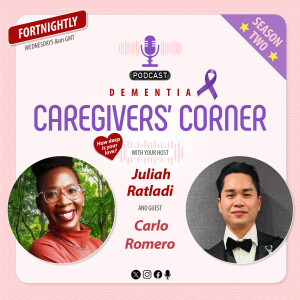
Episode Summary: In this episode, I am joined by Carlo Romero, a medical professional from a rehabilitation facility in the UK. Together, we explore what rehabilitation means in the context of dementia—how it helps individuals maintain their independence and well-being.
We discuss the challenges people living with dementia and their caregivers face when accessing rehabilitation and, most importantly, how these challenges can be addressed to improve their quality of life.
Key topics include:
1. What sparked Carlo’s interest in dementia rehabilitation
2. The role and benefits of rehabilitation in dementia care
3. Challenges in providing rehabilitation, especially for those with severe communication difficulties
4. The importance of multidisciplinary collaboration in dementia rehabilitation
Real-world examples of successful rehabilitation strategies
5. Key improvements needed in healthcare and social care services
Key Takeaways:
1. Rehabilitation supports independence – Even in dementia, rehabilitation can help maintain functional abilities and improve well-being.
2. Communication challenges impact rehabilitation – People with dementia who struggle with speech often miss out on vital rehabilitation, highlighting the need for alternative approaches.
3. Multidisciplinary teamwork is crucial – Collaboration between healthcare and social care professionals can enhance rehabilitation outcomes.
4. Dementia rehabilitation needs improvement – Better training, resources, and awareness can help make rehabilitation more accessible and effective.
Resources Mentioned
World Health Organization
Dementia UK
Dementia Friends
What I Wish People Knew about Dementia - Wendy Mitchell
Somebody I Used to Know - Wendy Mitchell
Tune in to gain insights into dementia rehabilitation and how we can better support individuals living with dementia.
Dementia Caregivers Corner Podcast
dementiacaregiverscorner’s Podcast
The journey of caring for a loved one who is living with Dementia can be quite challenging. Juliah Ratladi is an MSc student in the field of Dementia, and yet a Practising Dementia Caregiver. Juliah is uniquely positioned to share observations, experiences, knowledge, understanding and insights on a variety of issues in the Dementia and Mental Health space. Together with other Caregivers and Dementia Experts, they create public awareness, and share the impromptu beautiful moments they encounter from day to day. The discussions will leave you refreshed, smiling and uplifted.